The University of Indianapolis Krannert School of Physical Therapy offers a three-year, full-time, campus-based Doctor of Physical Therapy program with clinical experiences and some online coursework. Applicants apply through PTCAS and must complete Casper.
- Program
- Doctor of Physical Therapy (DPT)
- Credential
- DPT
- Location
- Indianapolis, Indiana, United States
- Casper
- Required · CSP-10101
- Next deadline
- October 1, 2026 (DPT application deadline)
- Interview
- Panel interview
- Length
- 3 years
Casper Requirement for University of Indianapolis Physical Therapy
University of Indianapolis Physical Therapy requires Casper for the 2026-2027 cycle.
- Test to book
- USA Casper (CSP-10101) · CSP-10101
- Languages
- English
- Applicant ID to enter
- PTCAS CAS ID
- Other Acuity assessments
- Duet (not required)
Check available Casper test dates in your Acuity Insights account at takecasper.com.
Casper format
Casper is an online, open-response situational judgment test run by Acuity Insights. The current format has 11 scenarios (4 video-response and 7 typed-response) with 2 questions each and takes about 65 to 85 minutes, including optional breaks. Typed-response scenarios allow 3.5 minutes to answer both questions.
Practice with Bright Doctor's Casper Question Bank, featuring 100+ scenarios and 300+ expert responses.
University of Indianapolis Physical Therapy Application Deadlines 2026-2027
- Apply through
- PTCAS
- Applications open
- June 15, 2026
- Application fee
- $175 for the first PTCAS program; $75 for each additional program. Ask UIndy whether a separate supplemental fee applies.
| What | When |
|---|---|
| Early-interview PTCAS verification deadline | September 1, 2026passed |
| DPT application deadline | October 1, 2026upcoming |
| PTCAS verification deadline | November 1, 2026upcoming |
Submit all transcripts, including dual-credit transcripts, through PTCAS. UIndy does not accept transfer credits into the DPT.
University of Indianapolis Physical Therapy Admissions Statistics
Period: Not stated
- Average GPA: 3.7 cumulative GPA for admitted students; reporting period not stated
- Applicants per available space: 8-10; period not stated
Eligibility Requirements for University of Indianapolis Physical Therapy
- Degree / credits
Bachelor's degree from an accredited college or university by matriculation, except for eligible UIndy 3+3 students.
- Language proficiency
Applicants for whom English is a second language need a TOEFL iBT score of at least 100.
Admission pathways
- UIndy 3+3: Eligible UIndy undergraduates may enter DPT after junior year; early entry is not guaranteed and requires the regular application process.
- Direct admission/early assurance: Eligible incoming UIndy freshmen can receive an early-assurance offer and must meet ongoing requirements.
Eligible UIndy undergraduates may enter after completing core undergraduate requirements and at least 90 credits by the end of junior year; early-assurance students must meet their pathway requirements.
Other requirements
- After admission: acceptance: Sign a letter of intent and pay a $500 nonrefundable deposit credited toward first-semester charges.
- After admission: essential functions and equipment: Confirm the DPT essential functions and bring a laptop meeting Examplify requirements.
- Before matriculation: health and safety: Provide required health records, insurance, approved in-person healthcare-provider BLS/CPR/AED certification, background check and drug screen.
Selection Factors University of Indianapolis Considers
Prerequisites
| Course | Requirement |
|---|---|
| Biology | One course with lab, 3-4 credits C or higher |
| Human Anatomy | Course with lab or qualifying combined anatomy/physiology sequence C or higher |
| Human Physiology | Course with lab or qualifying combined anatomy/physiology sequence C or higher |
| Chemistry | One-year sequence with labs, 6-8 credits C or higher |
| Physics | One-year sequence with labs, 6-8 credits C or higher |
| Behavioral Sciences | Two courses emphasizing human interactions, 6 credits Psychology, sociology or cultural anthropology; C or higher |
| Statistics | One introductory math- or science-department course, 3-4 credits Must cover central tendency, variability, correlation and parametric statistics through ANOVA; C or higher. AP credit qualifies when approved by the primary undergraduate institution and shown on its official transcript. |
GPA
- How it is calculated
Cumulative and prerequisite GPAs are considered. Pass/fail and non-credit courses, except qualifying AP credit, do not count toward prerequisite GPA.
- Minimum
- 3.0 cumulative GPA and 3.0 prerequisite GPA; at least C in every prerequisite
- Competitive
- Average admitted cumulative GPA: 3.7; reporting period not stated.
Admissions tests
- TOEFL iBT (required for some applicants): Applicants for whom English is a second language must score at least 100.
Experience and volunteer hours
Not required.
UIndy lists no minimum observation-hour requirement. One required recommendation must come from a licensed physical therapist whom the applicant observed in patient care.
Supplementary application
Submit a personal statement, answers to supplemental questions and two recommendations through PTCAS. One recommendation must be from a licensed PT observed in patient care; the other must address scholarly ability, such as a major-course instructor or recent employer. Family and friends cannot recommend applicants.
How applicants are ranked
UIndy invites top-ranked applicants to interview after application review. UIndy students with a PTCAS-verified prerequisite GPA of at least 3.5 are guaranteed an interview. Admission offers are made after interviews; UIndy does not publish ranking weights.
Interview Format at University of Indianapolis
Format: Panel interview
A 25-minute, two-interviewer interview on campus. Applicants with health or travel restrictions may arrange remote video conferencing.
- Who is invited
- Top-ranked applicants; UIndy students with a PTCAS-verified prerequisite GPA of at least 3.5 are guaranteed an interview
- When
- September 25, 2026 early-interview day; November 20, 2026 interview day.
Practice under timed, realistic conditions with Bright Doctor's AI Interview Simulator.
Prepare for Casper and Your Interview
Access Bright Doctor's Casper Question Bank with 100+ scenarios and 300+ expert-crafted responses, AI Interview Simulator with realistic practice conditions, and personalized mentorship from current medical students, all on one web-based platform.
Start Practicing FreeCurriculum at University of Indianapolis Physical Therapy
- Program length
- 3 years
- Structure
Full-time, campus-based study across fall, winter and summer, combining primarily in-person teaching with some virtual coursework and clinical experiences.
- Campuses
- Indianapolis
Classes meet on campus on weekdays; approximately 15% of credits are offered online.
Campus and facilities
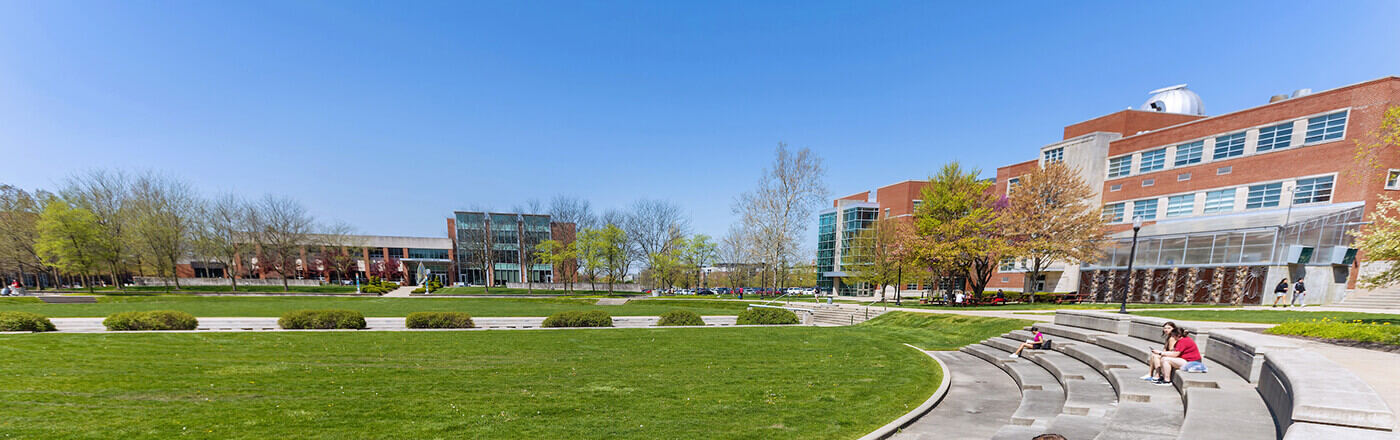
Urban campus in Indianapolis with city advantages for living and networking. Facilities support hands-on PT training, with affiliations for rotations. Students recommend the area for affordability and vibrancy and share tips on housing near clinical sites.
Tuition and Funding at University of Indianapolis
- 2026-27 fall and winter tuition: $34,114 total; $17,057 per semester
- 2026-27 summer tuition: $9,196
- 2026-27 tuition total: $43,310, excluding fees and other costs
General service fees and expenses such as background screening, supplies, clinical travel and housing are additional. Tuition and fees may change annually. Merit scholarships and graduate assistantships are available; graduate assistantships provide a 20-25% tuition credit for 120-150 hours of work per semester.
What Applicants Are Saying
Students describe rigorous schedules and share study, housing and living-cost tips near clinical sites. Applicants report receiving interview invitations after initial application review.
Shared by applicants and students on forums and communities. It is anecdotal, not official program information.
How to Prepare Your University of Indianapolis Physical Therapy Application
- Check the 3.0 cumulative and prerequisite GPA minimums and the C-or-higher prerequisite grades.
- Complete Casper for UIndy and check its booking page for available sittings and score distribution.
- Arrange two PTCAS recommendations, including one from a licensed PT you observed; prepare a personal statement and supplemental answers.
- Prepare for a 25-minute interview with two interviewers.
Frequently Asked Questions About University of Indianapolis Physical Therapy
Is Casper required?
Yes. UIndy requires Casper; use its booking instructions for available sittings and score distribution.
What GPA is required?
At least 3.0 cumulative and 3.0 in prerequisites, with C or higher in each prerequisite.
How long is the DPT?
Three years, full time.
What is the interview format?
A 25-minute interview with two interviewers, ordinarily on campus.
How much is tuition for UIndy DPT?
Published tuition totals $43,310 for one academic year, excluding fees and other costs. This is not the total cost of the full program.
Can I use AP credits for UIndy DPT prerequisites?
AP credit qualifies when approved by your primary undergraduate institution and shown on its official transcript.
How competitive is UIndy DPT admissions?
The average admitted cumulative GPA is 3.7; UIndy estimates eight to ten applicants per available space.
Does UIndy DPT accept any bachelor's major?
A bachelor's degree from an accredited college or university is required by matriculation, except for eligible UIndy 3+3 students.
Sources
Last updated: September 26, 2026